
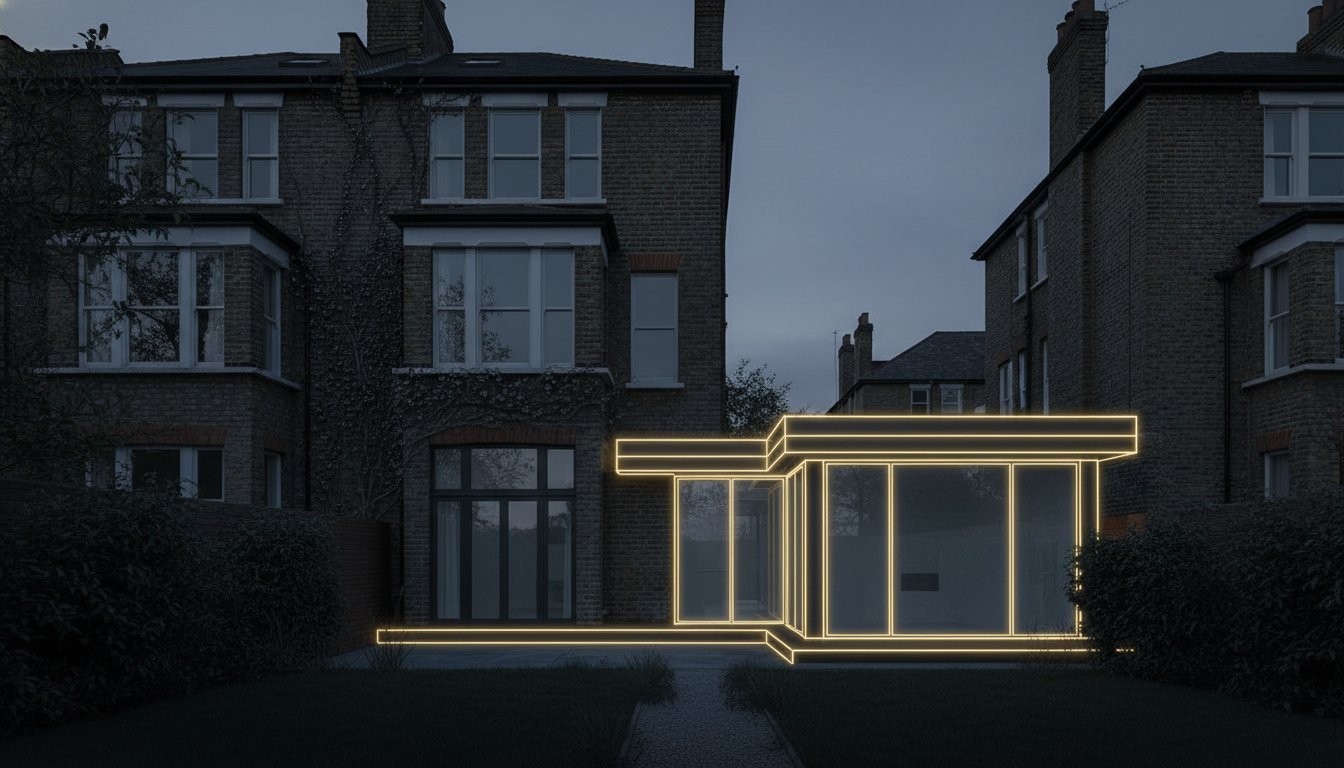
Architect Fees for Extension Plans UK: A 2026 Homeowner’s Guide to Costs
The most expensive architectural drawing you’ll ever buy is the one that was surprisingly cheap. While a bargain-basement plan might seem like a win today, it often hides the true cost of construction errors, failed planning applications, and missed opportunities to maximize your home’s value. You want a space that feels bespoke and effortless, yet you’re likely concerned about hidden costs or getting lost in the technical maze of RIBA stages and building regulations. It’s a common anxiety for homeowners who want to transform their living space without the stress of an unpredictable budget.
This guide provides total clarity on architect fees for extension plans UK by delivering a transparent breakdown of 2026 pricing structures. You’ll learn why investing between 5% and 12% of your total build cost into professional design is a strategic move that unlocks your property’s true potential. We will explore the differences between fixed fees and hourly rates, explain the £548 householder application fee, and show you how a visionary expert ensures your project remains a seamless journey from the initial creative spark to the final, high-end result.
Key Takeaways
- Compare percentage-based models with fixed-fee structures to determine which provides the most transparency and security for your specific project scale.
- Navigate architect fees for extension plans UK by understanding how site complexity and local council requirements impact your investment in 2026.
- Identify the critical difference between simple planning drawings and the detailed technical documentation needed to ensure structural integrity and building regulations compliance.
- Uncover how a visionary approach to design can mitigate expensive construction errors while significantly enhancing the long-term lifestyle and financial value of your home.
- Prepare for external costs beyond the architect’s studio, including statutory planning fees and the essential contributions of other specialist consultants.
Understanding Architect Fees for Extension Plans in the UK
Architect fees represent the investment in professional expertise required to translate your vision into a buildable reality. These charges encompass creative design, detailed technical documentation, and the strategic oversight necessary to navigate UK planning laws. For a standard home extension in 2026, homeowners should expect architect fees for extension plans UK for the planning stages to range between £2,500 and £6,000. This investment acts as the foundation for your project, ensuring that the final structure is safe, legal, and aesthetically superior.
We view this process as unlocking potential rather than simple drafting. Professional plans do more than satisfy a local planning officer; they maximize the utility, flow, and natural light of your space. A well-conceived design mitigates the risk of expensive construction errors and ensures every pound spent contributes to the property’s overall market value. It’s about turning a functional requirement into an aspirational lifestyle improvement.
The Three Main Ways Architects Charge
Understanding how professionals structure their Architect Fees is vital for effective budget management. Most firms utilize one of three primary models to provide clarity and fairness. Percentage-based fees typically range from 5% to 12% of the total construction cost. This is the traditional model for larger, more complex projects where the workload scales with the build’s value.
Fixed-fee arrangements are our specialty at Advance Architecture. This model provides homeowners with absolute financial certainty from the outset, making the planning process entirely stress-free. For specific site visits or initial consultations where the project scope is not yet defined, architects may charge hourly rates. In the UK, these rates generally sit between £75 and £150 per hour depending on the seniority of the expert involved.
Architect vs. Architectural Technician: Cost vs. Value
While an architectural technician can produce basic technical drawings, an ARB-registered architect brings a deeper level of design philosophy and regulatory expertise. Architects undergo seven years of rigorous training, focusing on how a building functions as a cohesive whole. This extensive education ensures a sophisticated understanding of spatial optimization and building regulations.
Choosing a design-led architect provides a layer of security for your planning application that cheaper, “plan-only” services often lack. Beyond the technicalities, a bespoke design significantly boosts the final resale value of your home. It’s the difference between a functional box and a visionary transformation that respects your property’s heritage. By prioritizing design depth, you ensure your extension isn’t just an addition; it’s a seamless optimization of your living environment.
Fixed vs. Percentage-Based Fees: Which is Best for Your Extension?
Choosing the right fee structure is just as critical as the design itself. It dictates the rhythm of your financial commitment and the level of professional oversight you receive throughout the transformation. While traditional firms often lean toward the flexibility of percentage-based models, modern residential specialists prioritize the absolute clarity of fixed-fee arrangements. Your choice should reflect the complexity of your project and your personal appetite for budget fluctuates. A well-chosen fee model provides the steady hand needed to guide you through the daunting journey of property transformation with ease.
Percentage-based fees, which typically range from 5% to 12% of total construction costs in 2026, are designed to scale with the project. However, this flexibility can sometimes lead to “budget creep.” If material costs rise or the construction phase becomes more complex, your professional fees increase proportionally. This can create a sense of uncertainty for homeowners trying to manage a precise renovation budget. To ensure a stress-free experience, Advance Architecture favors a fixed-fee approach. This provides a transparent, declarative financial framework that allows you to realise your vision without the fear of hidden escalations.
When Fixed Fees Make Sense
Fixed fees are the ideal solution for standard residential projects, such as rear, side, or wrap-around extensions. This structure allows you to manage your overall investment with surgical precision. It works best when your project falls under Permitted development rights, as the regulatory path is often more predictable. To avoid additional charges, it’s vital to have a clearly defined Scope of Work. This document acts as a linguistic framework, outlining exactly which stages, from concept to technical drawings, are included in your architect fees for extension plans UK.
The Percentage Model for High-End Bespoke Projects
Complex, luxury residential builds in London often require a level of oversight that a fixed fee cannot easily cover. When a project involves intricate site nuances, heritage constraints, or high-specification finishes, a percentage model aligns the architect’s involvement with the project’s evolving needs. This model is particularly relevant when the architect provides full Contract Administration. In this role, they act as a visionary expert on-site, ensuring the contractor adheres strictly to the design intent. For full-service project management in London, these fees often sit between 10% and 15% to account for the exhaustive coordination required to maintain structural integrity and aesthetic excellence.

Key Factors That Influence the Cost of Extension Plans
While average pricing provides a helpful baseline, your specific architect fees for extension plans UK will fluctuate based on the architectural complexity of your vision. Every property has its own unique set of constraints, from structural limitations to local planning sensitivities. A simple rear extension requires a certain level of technical detail, but once you introduce wrap-around elements or double-storey elevations, the drawing time and regulatory coordination increase significantly. These projects demand a more intensive design, planning, and management approach to ensure the new structure integrates seamlessly with the existing home.
The “London Premium” is another critical factor that homeowners must account for. Navigating the high-density environment of the capital involves unique challenges like party wall negotiations, tight site access, and stringent daylight assessments. These factors require more than just basic drafting; they require a visionary expert who understands how to maximize space in a crowded urban landscape. Incorporating 3D visualisation into your proposal can also influence the fee. While it represents an additional investment, it provides a powerful tool for “unlocking potential,” allowing both you and the planning officers to see the finished transformation before a single brick is laid.
Project Scope and Complexity
The technical requirements for a single-storey extension differ vastly from those of a multi-level build. If your project involves significant structural modifications, such as the removal of load-bearing walls or chimney breasts, the complexity of the building regulations drawings will rise. Securing professional architectural plans in London is essential for managing these variables effectively. As noted in RIBA’s guide to working with an architect, professional involvement ensures that complex design concepts remain buildable and compliant, ultimately protecting your investment from unforeseen construction delays.
Local Authority and Heritage Requirements
Your location within the UK also dictates the level of detail required for a successful application. Navigating the specific nuances of planning departments in boroughs like Barnet requires local knowledge and a steady hand. If your home is a listed building or situated within a conservation area, you’ll likely need a Design and Access Statement. This technical document justifies the architectural choices made and is mandatory for sensitive heritage sites. Understanding the intricacies of permitted development can also save significant time and money, allowing you to bypass full planning permission where the scope allows. This expertise ensures a hassle-free journey through the regulatory maze, providing the creative possibility you desire with the technical authority you need.
A Phase-by-Phase Breakdown of Architectural Costs in 2026
Architectural projects are best understood as a series of methodical milestones. Each stage represents a logical financial commitment, ensuring you only pay for the specific expertise required at that moment. For many homeowners, the “Planning Stage” feels like the finish line; yet it actually represents just the first half of the architectural journey. To successfully navigate architect fees for extension plans UK, you must recognize the distinction between a creative concept and a buildable technical specification. Splitting the process into phases allows for a steady, dependable pace that prevents you from feeling overwhelmed by the project’s scale.
Detailed technical drawings are essential for accurate builder quotes. Without these specifications, contractors are forced to estimate costs, which often leads to expensive on-site surprises or disputes later in the build. By investing in comprehensive documentation early on, you create a linguistic and technical framework that keeps your budget as sturdy as the structure itself. This phased approach transforms a daunting journey into a structured progression toward your ideal home.
Stage 1: Concept Design and Planning Applications
The journey begins with feasibility studies and initial site surveys designed to unlock the potential of your current property. During this phase, your architect produces existing and proposed floor plans along with elevations that capture the aesthetic essence of the transformation. This stage is dedicated to liaising with local planning authorities to secure the necessary permissions. It’s the moment where creative possibility meets regulatory reality, establishing the footprint and volume of your new space.
Stage 2: Technical Drawings and Building Regulations
Once planning is secured, the project moves into the granular detail required for structural integrity. This is why building regulations drawings are a separate and essential fee. These documents provide exhaustive specifications for thermal performance, fire safety, and acoustic insulation. These plans act as the definitive manual for your contractor; they ensure the build complies with all 2026 legal standards while preventing costly errors during the construction phase.
Stage 3: Tender and Construction Management
The final phase offers the ultimate stress-free experience through tender support and construction management. Your architect can help you choose and manage a reliable builder by reviewing quotes against the technical design. Contract administration ensures the project stays on budget and adheres to the visionary design intent. If you’re ready to move from concept to reality, book a consultation with our design team to discuss your bespoke requirements.
Beyond the Drawings: The Value of a Visionary London Architect
Viewing architectural fees as a mere administrative cost is a common misconception. In reality, these fees represent a strategic investment that shields you from the volatile nature of the construction industry. Professional plans act as a roadmap for efficiency, significantly reducing construction waste and preventing the technical errors that lead to expensive on-site alterations. By the time the first spade hits the ground, a visionary expert has already solved the structural and aesthetic puzzles that would otherwise stall your progress. This foresight ensures a high-end transformation that remains on track and within budget.
A residential architect in London brings a unique set of skills to the table, specifically focused on maximizing natural light and perfecting spatial flow. In a city where space is the ultimate luxury, every millimeter must be optimized. Our approach at Advance Architecture is about more than just drafting; it’s about a partnership that guides you through the complexities of property transformation. We ensure your project isn’t just an addition, but a seamless evolution of your lifestyle.
Maximising ROI Through Bespoke Design
The financial logic of hiring a premium firm is clear. Bespoke design can increase a property’s market value by 20% to 30%, a figure that dwarfs the initial architect fees for extension plans UK. This value is generated through superior curb appeal, better utility, and the use of high-specification materials that attract premium buyers. Beyond immediate resale value, we focus on future-proofing your home. We design spaces that adapt to long-term family needs, ensuring your extension remains functional for decades. Because house extensions in London are a significant undertaking, a visionary approach is required to make your property stand out in a competitive market.
The “Stress-Free” Guarantee
The psychological benefit of professional guidance is perhaps the most significant value we provide. Navigating the bureaucracy of local council planning and building control is notoriously daunting. We act as your steady hand, managing every regulatory hurdle and technical requirement with quiet confidence. You gain the peace of mind that comes from knowing your home is structurally sound, fully compliant, and designed to the highest standards of contemporary innovation. Realise your vision with a partner who understands the intricate London landscape and values your investment as much as you do. Contact Advance Architecture for a free initial consultation and take the first step toward unlocking your home’s true potential.
Realise Your Vision with Clarity and Confidence
Navigating the technical and financial landscape of a home transformation doesn’t have to be a source of anxiety. By understanding the nuances of architect fees for extension plans UK, you’ve moved from a place of uncertainty to a position of informed control. You now recognize that professional design is far more than a set of drawings; it’s a strategic investment in the technical integrity and lifestyle optimization of your home. A well-planned extension is the key to unlocking your property’s hidden potential while ensuring a stress-free journey through the planning process.
With over 15 years of London planning expertise, Advance Architecture provides the fixed-fee transparency and visionary design required to maximize your property’s ROI. We act as your steady hand, managing complex building regulations and sensitive council negotiations with ease. Our bespoke solutions ensure your project is both structurally sound and aesthetically superior. Unlock your property’s potential with a bespoke extension plan from Advance Architecture. Your journey toward a seamless, high-end home transformation is ready to begin.
Frequently Asked Questions
Do architects charge for the first meeting?
Many architectural firms offer a free initial consultation to discuss the creative spark and feasibility of your project. However, more intensive site visits or detailed feasibility studies usually incur a professional fee. This first meeting is a vital opportunity to ensure a strong partnership and to gauge the firm’s technical authority before you commit to a full design contract.
Can I get extension plans drawn up without hiring a full architect?
You can hire architectural technicians or draughtspeople for basic drafting, though they often lack the visionary design depth of an ARB-registered architect. An architect provides a higher level of security for complex planning applications and focuses on maximizing your property’s resale value through bespoke spatial optimization. For a high-end, seamless transformation, the expertise of a qualified architect is a strategic investment.
How much does an architect cost for a small single-storey extension?
For a small single-storey extension, architect fees for extension plans UK typically range from £1,000 to £2,500 for the planning drawings stage. If your project requires a full start-to-finish service including technical documentation and construction oversight, fees generally range from £5,000 to £12,000. These costs reflect the level of detail required to ensure structural integrity and aesthetic excellence.
What is the difference between planning drawings and building regs drawings?
Planning drawings focus on the external appearance, volume, and local impact of your extension to satisfy council requirements. Building regulations drawings are far more technical; they provide the exhaustive specifications for insulation, fire safety, and structural integrity required by law. Both stages are essential milestones that move your project from a visionary concept to a buildable, compliant reality.
Are architect fees in London significantly higher than the rest of the UK?
Architectural fees in London are typically 25% to 40% higher than the national average due to the capital’s unique constraints. Navigating high-density urban sites, heritage conservation areas, and complex party wall issues requires a specialist level of expertise. A London-based visionary expert understands these local nuances, ensuring a hassle-free journey through the city’s rigorous planning landscape.
When do I have to pay my architect fees?
Architects usually structure their payments in logical phases that mirror the project’s milestones. You’ll typically pay an initial deposit, followed by installments upon the submission of planning applications and the completion of technical building regulations drawings. This methodical rhythm ensures you feel informed and in control of the budget at every stage of the narrative.
Does the architect fee include the planning application fee paid to the council?
No, professional architectural fees are separate from the statutory fees you must pay directly to the local authority. As of April 2026, the householder planning application fee in England is £548. You should also prepare for other external costs, such as building control inspections and party wall surveyors, which are not typically included in the architect’s design fee.
How can I keep my architectural costs down without compromising on quality?
To manage architect fees for extension plans UK effectively, provide a clear and detailed brief from the outset to minimize the need for design revisions. Choosing a fixed-fee structure rather than an hourly rate provides total financial transparency and prevents budget creep. By making firm decisions during the concept stage, you allow your architect to focus on unlocking your home’s potential without unnecessary delays.