
Islington Architects: Comparing Your Options for a Stress-Free Home Transformation in 2026
What if the success of your project depends less on your choice of finishes and more on navigating the 41 separate conservation areas that define this historic borough? When searching for islington architects, you’ve likely realised that securing planning permission here is a complex puzzle, especially when you’re balancing modern lifestyle needs with strict heritage protections. It’s a daunting prospect that often leads to valid fears regarding hidden costs or the risk of a frustrating planning rejection.
We agree that your bespoke home transformation should be a seamless reflection of your vision, not a source of constant stress. To help you move forward with confidence, this guide provides a comprehensive comparison of architectural services and fee structures tailored for the 2026 market. You’ll learn how to identify a partner who excels at unlocking potential within period properties while maintaining total transparency on project timelines. We’ll explore the specific design strategies and regulatory insights you need to ensure your renovation is both beautiful and expertly managed from the initial sketch to the final build.
Key Takeaways
- Understand why local relationships with Islington Council planning officers are vital for navigating the borough’s unique Georgian and Victorian architectural heritage.
- Compare ‘Planning Only’ versus ‘Turnkey’ solutions to determine which RIBA stages are essential for achieving your specific renovation goals.
- Evaluate the financial benefits of fixed-fee structures over traditional percentage-based models to ensure budget certainty when hiring islington architects.
- Discover strategic approaches to Islington’s rear extension policies and learn if a pre-app investment is the right choice for your property.
- Learn how to manage the technical burden of building regulations and structural integrity through a bespoke, stress-free architectural partnership.
Navigating the Islington Architectural Landscape: Why Local Expertise Matters
Islington’s streets offer a masterclass in London’s residential history. You might find yourself admiring the elegant symmetry of Georgian terraces in Canonbury or the grand, sturdy proportions of Victorian villas in Highbury. Transforming these historic properties for 2026 requires more than just a creative eye; it demands a deep understanding of the borough’s unique structural DNA. Choosing experienced islington architects ensures your project respects this heritage while embracing the demands of modern living. It’s about moving beyond a merely functional space to create a bespoke lifestyle sanctuary that feels both high-end and deeply personal.
Local expertise isn’t defined by a simple postcode. It’s built through years of consistent dialogue with Islington Council planning officers. These established relationships allow us to anticipate feedback before a formal application is even submitted, saving you months of potential delays. Our Visionary Expert approach balances your creative possibilities with the grounded reality of local regulatory frameworks. We act as a steady hand, guiding you through the complexities of the UK planning system with quiet confidence and technical authority. This partnership turns a daunting journey into a structured, predictable process of Design, Planning, and Management.
Understanding Islington’s Conservation Areas
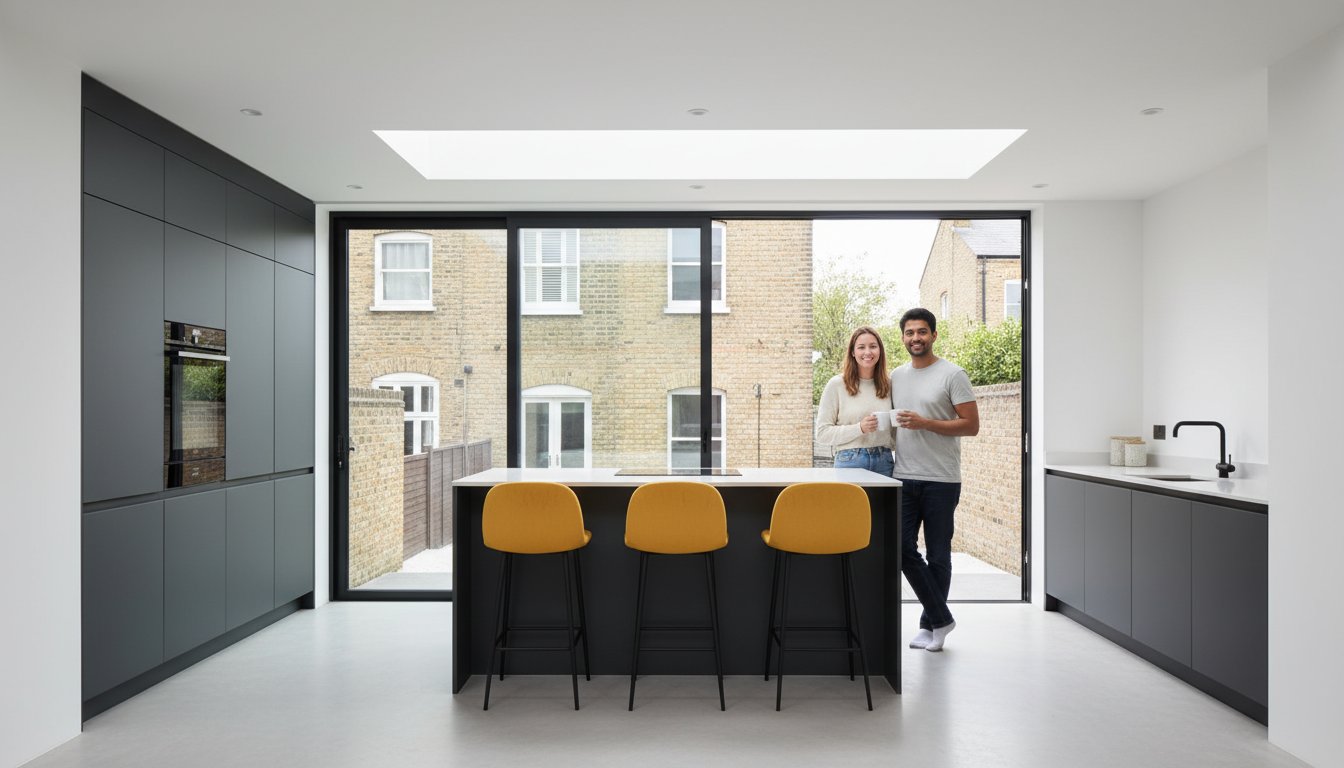
Islington contains 41 distinct conservation areas, including the highly sought-after enclaves of Barnsbury, Angel, and the De Beauvoir borders. Many of these zones are protected by Article 4 Directions. These specific legal instructions remove certain permitted development rights, which means even minor external changes often require formal consent. Navigating the requirements for Islington’s listed buildings and heritage assets is a delicate art. We specialise in preserving these historic facades while introducing contemporary glazed additions that flood interiors with natural light, ensuring a seamless transition between old and new.
The Problem with Generic Design Solutions
Generic, “off-the-shelf” plans usually fail at the first hurdle in N1 or N5. Islington planners prioritise the local character of a streetscape. Ignoring these nuances can lead to immediate rejection or a significant loss in potential property value. A design that works in a modern suburb won’t translate to a narrow, historic plot. Advance Architecture’s philosophy centres on unlocking potential through site-specific analysis. We don’t just draft plans; we provide a framework that’s as sturdy and well-planned as the buildings themselves. Our goal is a stress-free experience where every design choice is rooted in architectural integrity and your specific lifestyle needs.
- Detailed site analysis to identify hidden opportunities.
- Strategic planning navigation to maximise success rates.
- Bespoke design that honours heritage while providing modern luxury.
Comparing Architectural Service Models: Concept Design vs. Full Project Management
Understanding the breadth of services offered by islington architects is the first step toward a successful renovation. The Royal Institute of British Architects (RIBA) outlines a clear Plan of Work, spanning from initial feasibility at Stage 1 to final handover at Stage 6. While some homeowners opt for “Planning Only” services to reduce upfront fees, this choice often leaves them exposed during the construction phase. Managing a build without professional contract administration can lead to “scope creep” that increases final costs by an average of 20% according to recent industry data. A turnkey solution, by contrast, provides a seamless transition from the drawing board to the finished home.
Your choice of involvement should reflect your personal schedule and level of technical expertise. If you cannot dedicate 10 to 15 hours a week to site meetings, procurement, and contractor queries, a full-service model is the most reliable way to ensure a stress-free transformation. When browsing RIBA’s Find an Architect service, you’ll notice that firms offering comprehensive management act as the steady hand required to navigate the complexities of London’s construction landscape. For a broader perspective on evaluating different practices across the capital, our comprehensive guide to architecture firms in London provides essential insights into selecting the right partner for your specific project requirements.
The Design and Planning Phase
Feasibility studies act as the foundation of any project. They test the physical and regulatory limits of your property before a single brick is moved. In a borough where approximately 40% of the land is designated as a conservation area, 3D visualisation is a vital tool for communicating your vision to planning officers. These digital models help planners understand how a modern extension sits alongside historic masonry. When seeking listed building consent for a Grade II property, specialist expertise is required to balance heritage preservation with the demands of contemporary living, ensuring your application is both visionary and compliant.
Technical Documentation and Building Regulations
Securing planning permission is a significant milestone, but technical drawings are what actually build the house. These documents ensure structural integrity and improve thermal efficiency, which is essential for the 19th-century period properties common in Islington. Detailed specifications act as a shield against budget creep. They provide contractors with a precise roadmap that prevents expensive mid-build corrections and ensures every material meets the high-end standards of your original brief. Choosing a comprehensive service allows you to realise your vision with the assurance that every technical detail is managed by a professional. This methodical approach allows islington architects to unlock the hidden potential of a space while maintaining the strict standards required for 2026 building regulations.
Fixed Fees vs. Percentage Fees: Maximising Value in Your Renovation
Choosing the right financial structure for your project is just as vital as the design itself. When you begin interviewing islington architects, you’ll likely encounter two distinct pricing philosophies. The traditional model calculates fees as a percentage of the total construction cost, while the modern alternative offers a fixed-fee arrangement. Understanding how these impact your bottom line is essential for maintaining a stress-free transformation in 2026.
Decoding the Percentage Model
For decades, the percentage-based fee was the industry default. In the current London market, these rates typically fluctuate between 10% and 15% of the total build cost, covering everything from initial concepts to site supervision. While this model can benefit complex, high-budget new builds where the scope remains fluid, it often introduces unwanted volatility for residential renovations. If the price of heritage bricks or structural steel rises, your architectural fees increase automatically. This creates a scenario where the architect’s compensation grows simply because your project became more expensive, which can lead to a misalignment of interests during the construction phase.
The Benefits of a Fixed-Fee Approach
A fixed-fee structure eliminates “bill shock” by providing absolute clarity from day one. This model ensures that your architectural costs are locked in, regardless of fluctuations in material prices or builder quotes. It fosters a partnership built on efficiency rather than expenditure. The fixed-fee model represents the modern standard for residential extensions, offering homeowners a transparent roadmap that protects their budget from the first sketch to the final brick.
- Budget Certainty: You can allocate funds to high-end finishes or bespoke joinery without worrying about hidden professional costs.
- Incentivised Efficiency: Your architect is motivated to deliver precise, buildable designs that move through the planning process without costly revisions.
- Simplified Accounting: Clear payment milestones allow for better cash flow management throughout the project lifecycle.
At Advance Architecture, we believe transparency is the most effective trust-builder. By providing a clear, fixed-fee structure, we position ourselves as your steady partner in the renovation process. This approach allows us to focus entirely on unlocking the potential of your property. We prioritise smart design and strategic planning over inflated construction budgets, ensuring your investment delivers the highest possible return on impact. When islington architects provide a fixed quote, they demonstrate a deep understanding of the technical requirements and a confidence in their ability to manage the complexities of your specific site.
Securing Planning Success in Islington: Local Hurdles and Strategies
Navigating the planning department in N1 or N5 requires more than just a set of drawings; it demands a strategic roadmap. Experienced islington architects understand that the borough’s planning committee values a balance between heritage preservation and high-performance design. The pre-application process is often the most critical investment you can make. By engaging with officers early, you de-risk your project. In 2024, data suggested that projects utilising the pre-app service were 35% more likely to receive approval on their first formal submission. It allows you to test the waters on ambitious ideas before committing to a full planning fee.
A common misconception is that planners will never allow contemporary extensions in traditional settings. This isn’t the case. In fact, conservation officers often prefer a clear distinction between the historic fabric and a modern intervention. Successful projects in the Barnsbury and Canonbury conservation areas have utilised frameless glass and minimalist steel to create a “light touch” against Victorian brickwork. These designs succeed because they respect the original building’s hierarchy while adding functional, 21st-century living space. We focus on three pillars for planning success: context, clarity, and compliance.
Islington Council’s Specific Design Guidelines
The Islington Urban Design Guide contains strict rules regarding rear extensions, particularly the “lowest point of the roof” rule. For outrigger extensions, the new roof height must generally not exceed the eaves of the original structure to prevent a sense of enclosure for neighbours. You must also consider the material palette. While matching London stock brick is standard, the council increasingly encourages high-performance glazing and sustainable integrations. By 2026, the integration of air-source heat pumps and solar PV panels will be a baseline expectation for most major renovations, even within heritage zones. These elements must be positioned discreetly to maintain the streetscape’s character.
The Role of Listed Building Consent
Islington is home to over 4,500 listed buildings. If your property is Grade II or Grade II* listed, the design process becomes significantly more nuanced. You’ll need to liaise with Historic England and local conservation officers early in the journey. This isn’t just about the exterior. Internal alterations, such as removing a non-structural partition or changing original cornicing, require formal consent. An architect ensures these changes are documented with the precision required to protect the building’s historic significance. We manage the delicate dialogue between your lifestyle needs and the preservation of architectural history.
Choosing Advance Architecture: Your Visionary Partner in Islington
Advance Architecture brings a 15-year track record of excellence to your doorstep. We’ve spent over a decade mastering the capital’s intricate planning landscape, ensuring your project moves from concept to completion without unnecessary delays. As experienced islington architects, we understand the specific nuances of local conservation areas and the rigorous standards required by the borough’s planning committees. We don’t just provide drawings; we offer a robust strategy to secure your property’s future.
Our primary promise is a stress-free experience. We recognise that home transformations can feel overwhelming, so we shoulder the entire technical burden on your behalf. From managing structural integrity assessments to navigating complex building regulations, our team handles the details that often cause homeowners anxiety. This allows you to stay focused on the creative journey and the excitement of your design. We act as your steady hand, guiding you through every regulatory hurdle with quiet confidence and proven expertise.
We reject the idea of a “house style” because your home should reflect your personality, not ours. Whether you’re looking to modernise a Georgian terrace or create a contemporary masterpiece, our solutions are entirely bespoke. Choosing the right islington architects means finding a partner who listens to your needs and translates them into functional, elegant spaces. We specialise in unlocking the hidden potential within your existing footprint, ensuring every square metre delivers maximum value and lifestyle impact.
Our Proven Process for Islington Homeowners
Every project begins with a deep-dive initial consultation. We look beyond the surface to identify the latent opportunities your property offers. Once we’ve established your goals, we move into a collaborative design phase. We use advanced 3D tools to refine your favourite concepts, allowing you to walk through your new home virtually before a single brick is laid. This visual clarity eliminates guesswork and builds total confidence in the final result. You can explore our residential architects London pillar for a deeper look at our design philosophy and how we maximise space in urban environments.
Realise Your Vision in N1, N5, or N7
Our commitment to quality is matched by our dedication to clarity. We operate with a fixed-fee transparency model, ensuring you have a clear understanding of your investment from day one. There are no hidden surprises, just honest, professional advice. If you’re planning a transformation for 2026, the time to start is now. Architectural lead times and the planning permission cycle mean that early preparation is the key to a seamless build. Let’s start the conversation today and turn your property aspirations into a tangible reality. Book your free Islington design consultation today and take the first step toward your dream home.
Unlocking Your Property’s Potential in 2026
Navigating the specific complexities of London’s planning system requires a partner who balances creative vision with technical precision. Successful home transformations depend on two critical factors: adopting a transparent fixed-fee structure to maintain total budget control and partnering with specialists who understand the nuances of local conservation areas. Since 2009, Advance Architecture has secured hundreds of successful planning approvals across London, providing the steady hand needed to handle sensitive listed buildings and complex structural requirements.
Our team of islington architects delivers bespoke solutions that bridge the gap between aspirational design and practical execution. We remove the traditional friction from home renovations by managing every regulatory hurdle; this ensures your project remains a rewarding journey rather than a logistical burden. You’ll benefit from a process designed to maximise your space while protecting your investment through every stage of development. For homeowners across the wider capital seeking similar expertise, our comprehensive guide to architects north london property transformation strategies provides valuable insights into securing planning permission and maximising property value throughout the region.
Book Your Free Islington Design Consultation
We’re ready to help you transform your current house into a visionary home that perfectly suits your future lifestyle.
Frequently Asked Questions
Do I really need an architect for a small kitchen extension in Islington?
You aren’t legally required to hire an architect, but their expertise is vital for navigating Islington’s dense urban landscape and strict planning constraints. Professional design ensures you maximise every square millimetre of your floor plan while optimising natural light. According to RIBA research, well-designed extensions can increase property value by up to 15%, making the initial investment a sound financial decision for your home.
How long does the planning permission process typically take with Islington Council?
Islington Council usually takes 8 weeks to reach a decision once your application is formally validated. For complex projects or those involving heritage assets, we recommend a pre-application stage which typically adds 4 to 6 weeks to the schedule. This proactive approach identifies potential hurdles early, ensuring a smoother journey through the formal approval process and reducing the risk of a costly refusal.
Can I build a contemporary glass extension on a Grade II listed building?
Yes, you can often secure consent for a contemporary glass extension if the design remains subordinate to the original structure. Historic England guidelines frequently favour clearly modern additions over pastiche designs because they allow the building’s historical evolution to remain legible. We focus on bespoke solutions that respect the heritage of the property while introducing high-end, functional elegance through visionary glass engineering.
What is the difference between an architect and a structural engineer?
An architect manages the creative vision, spatial flow, and planning navigation, while a structural engineer focuses on the technical calculations required to ensure the building is safe. You’ll need both for most projects in North London. The architect defines the aesthetic and functional layout, and the engineer provides the specific steel specifications and load-bearing data necessary for building regulations approval.
How much do islington architects typically charge for a loft conversion?
Professional fees for islington architects generally range between 7% and 15% of the total construction budget. For a standard loft conversion costing approximately £60,000, you can expect design and management fees to sit between £4,200 and £9,000. This investment covers the entire project lifecycle, from initial concept sketches and planning submissions to detailed technical drawings and site inspections during the build phase.
What are the specific Article 4 Directions I should be aware of in Islington?
Islington enforces several Article 4 Directions that remove permitted development rights, particularly in the Clerkenwell and Bunhill wards. These regulations often prevent the automatic conversion of commercial spaces into residential units. Since 2021, these restrictions have expanded to protect the character of local high streets. It’s essential to check the specific constraints of your postcode to avoid unauthorised works that could lead to enforcement action.
Do I need planning permission for an internal wall removal in a conservation area?
You don’t usually need planning permission for internal alterations unless your property is a listed building, though you must always secure Building Regulations approval. There are 41 conservation areas in Islington where external changes are strictly controlled, but internal layouts offer more flexibility. We ensure your structural changes are safe and compliant, providing the peace of mind that your home remains both beautiful and legally sound.
How does Advance Architecture ensure my project stays within budget?
We implement a rigorous “Design to Budget” strategy that starts with a detailed cost analysis during the feasibility stage. By aligning our bespoke solutions with current London construction rates, we eliminate the 20% budget overruns that often plague unmanaged projects. Our structured approach to project management provides a stress-free experience, ensuring every pound spent contributes directly to unlocking the full potential of your property.